Leica M11, M11-P or M11-D: which M body to choose in 2026?
The M11, the M11-P and the M11-D share the same 60-megapixel sensor. Memory, image authentication, screen or no screen: here is what sets them apart and how to choose according to the way you photograph.
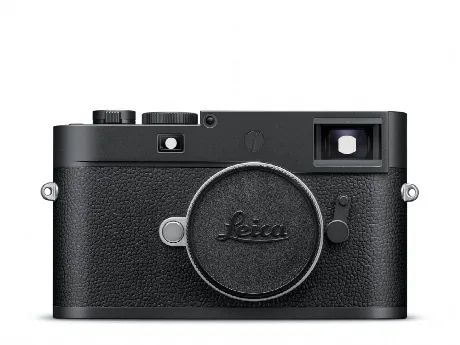
In Leica's digital M range, three bodies currently share the same base: the M11, the M11-P and the M11-D. In the shop, this is one of the questions we hear most often: which one to choose, and for what kind of practice? Here is what they have in common, what separates them, and how we suggest you think it through.
Let us begin with the common core. Leica presented the M11 in Wetzlar on 13 January 2022, and its two variants keep its heart. All three use the same full-frame BSI CMOS sensor of 60.3 million pixels, without a low-pass filter, driven by the Maestro III processor. This "Triple Resolution" sensor records DNG and JPG files at 60, 36 or 18 megapixels, always across its entire surface: it is not a crop. Sensitivity ranges from 64 to 50,000 ISO. The 3 GB buffer, flash sync at 1/180 s, the hot shoe compatible with the Visoflex 2 electronic viewfinder and the dimensions (139 x 38.5 x 80 mm) are identical from one model to the next. With the same lens, image quality therefore does not separate these three bodies.
The choice of resolution applies to all three and deserves a closer look. The 60-megapixel mode makes full use of recent optics, notably the APO lenses, and leaves room to crop or print large. The 36 and 18-megapixel modes lighten the files and allow longer bursts: for a day of reportage or a wedding, many photographers are happy with them and gain comfort in processing.
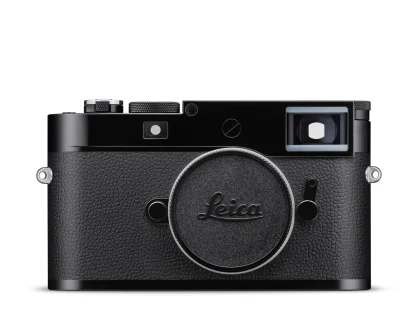
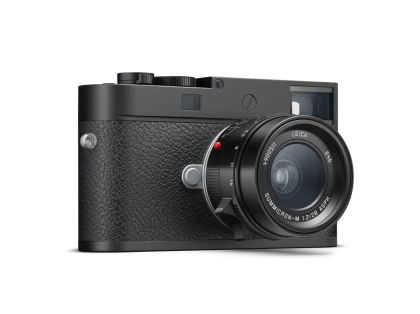
The M11 is the entry point of the family. It keeps the rear screen and has 64 GB of internal memory, in addition to the SD card (UHS-II recommended). It is with this model that multi-zone metering arrived in rangefinder viewing on an M. Its weight depends on the finish: about 530 g with battery for the black version, whose body combines magnesium and aluminium, and about 640 g for the silver version, which uses brass.
The M11-P, presented on 26 October 2023, adds two things. The first shows in the specifications: 256 GB of internal memory, four times that of the M11. The second is more unprecedented: it is the first camera on the market to sign its files with Content Credentials, the open standard of the Content Authenticity Initiative. Once the function is activated in the menu, each image receives a digital signature based on a certificate; Leica integrated a dedicated chip for this, which stores certificates from the German Federal Printing Office. Anyone can then verify a photo's origin with a free, open tool. If you have no use for it, the function can be switched off. The top and bottom plates are machined from aluminium for the black version and from brass for the silver.
Who is it for? First of all photojournalists, documentary photographers and everyone who delivers to newsrooms or agencies: proving that a file genuinely comes from your camera becomes a concrete argument. For others, the large internal memory alone often justifies the difference, as it serves as a permanent backup while travelling.
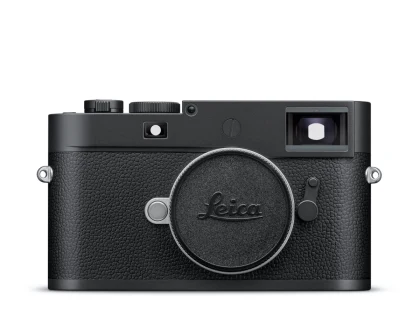
The M11-D is the most radical of the three. It takes the base of the M11-P (sensor, 256 GB of memory, Content Credentials chip) but removes the rear screen, replaced by a large sensitivity dial. No more checking after each shot: you compose, set aperture, shutter speed and ISO, and discover your images later, as with film. In the viewfinder, a four-digit digital display gives the essentials. The body weighs about 540 g with battery, its aluminium top plate receives a scratch-resistant finish, and the front dispenses with the red dot. The hot shoe still accepts the Visoflex 2 should you occasionally want electronic viewing.
It suits photographers confident in their exposure, or those coming from film who want to rediscover that rhythm with a 60-megapixel file. The absence of a screen is judged far more in use than on paper: handling it at the counter will tell you more than any specification sheet.
To decide, ask yourself three questions. Do you need to review your images in the field? If so, the M11 or the M11-P. Do you deliver photos whose authenticity may be questioned, or do you often work far from a computer? The M11-P has the edge. Or are you looking instead for a slower practice, centred on the act of shooting? The M11-D was made for that.
A word finally about what comes next. As of 8 November 2026, specialist rumour sites mention an M12 for early 2027, whose changes would concern mainly the screen and the layout of the controls. Leica has announced nothing. If you have a project today, in our view nothing justifies waiting on a hypothesis.
Several of these bodies are available at the shop, at 59 rue Condorcet, Paris 9e: the Leica M11 in glossy black paint finish (see the item), the Leica M11-P in black (see the item) and the Leica M11-D (see the item). Come and compare them with your lenses: it is the best way to know which one will accompany you.