Wedding photography: preparing the day with your photographer
A good wedding report is prepared several weeks before the date. Here is how to organise with your photographer the first meeting, the schedule, the light, the group photos and the delivery of the images.
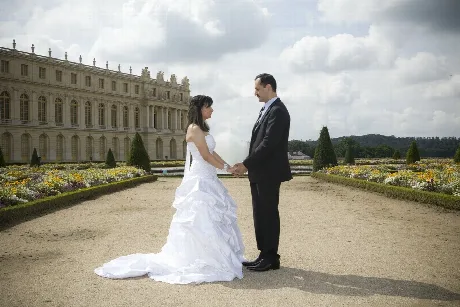
On your wedding day, you will have other things to do than think about photos. That is why it is best to settle everything beforehand. What we observe at the studio matches what many wedding photographers say: a successful report depends above all on the preparation done with the couple, much more than on the equipment.
Start with a real meeting, in person or by video call, several weeks before the date. Its first purpose is to find out whether you get along well. Your photographer will be close to you from morning to night, during intimate moments such as the preparations. You need to feel at ease with him, and that is a condition for natural images. Ask to see complete reports, not just a selection of the best images. This will show you how he works in a dark room, in the rain or in the middle of a crowd.
Use this meeting to talk about what matters to you: a grandmother who is travelling from far away, a family heirloom, a moment of the ceremony that moves you. The photographer cannot guess it. Also tell him what you do not want. Some couples dislike staged poses, others prefer to avoid certain shots during the religious ceremony. At the same time, find out the rules of the venues: some churches and town halls limit movement or the use of flash.
The schedule is the most useful document. Note the times of the preparations, the departure, the civil or religious ceremony, the cocktail and the dinner. Add the addresses, travel times and the names of people to contact. Send it to your photographer a few days before the wedding, then review it one last time together. He will know where to be at each moment, for example whether to choose between the bride's preparations and the groom's when they take place in two different locations. Also keep some margin: wedding days almost always run late, and it is often the couple portraits that get shortened first.
Also think about the light when you set the times. The soft golden light at the beginning or end of the day is the most flattering for couple portraits. The high midday sun, on the other hand, creates harsh shadows on faces and makes people squint. The time of sunset changes a great deal with the season. So ask your photographer to plan a short couple session when the light is at its best, even during the cocktail: twenty minutes apart is often enough. For the preparations, choose a room with a large window and not too many objects. Finally, plan a backup for rain: a porch, a covered gallery or a large entrance will do.
Group photos are often the most difficult moment of the day, even though they matter a great deal to families. To make them go well, write the list in advance, with clearly defined groups and a logical order: start with the largest groups, then release guests gradually. Keep the list short. The longer it is, the more the session drags on and the more guests scatter. Choose someone among your close relatives who knows both families and who will call each group. The photographer can then focus on framing and light instead of looking for an uncle at the bar. Pass this list on before the big day, not on the morning itself.
Last point, the delivery of the images, which must be written down in black and white in the contract. Check the approximate number of photos planned, what is retouched or not, the format (online gallery, files to download, USB stick, prints, album) and the delivery deadline. At our studio, these points depend on the package chosen: we discuss them together and settle them before signing, so that you know exactly what to expect. Ask how long the online gallery will remain accessible and download your files as soon as they arrive. Make a copy on two different media: a single hard drive is not enough to protect the photos of your wedding. Also talk about rights. The photographer may wish to show a few images in his portfolio or on his social networks. If you prefer to remain discreet, say so and have it noted.
Our advice as photographers: have your photos printed. An album or a few large prints can still be looked at in ten years, whereas a folder on a phone gets lost. And on the day itself, forget the camera and enjoy your day. If the preparation has been done well, your photographer will know where to stand to capture these moments without you having to think about it.